






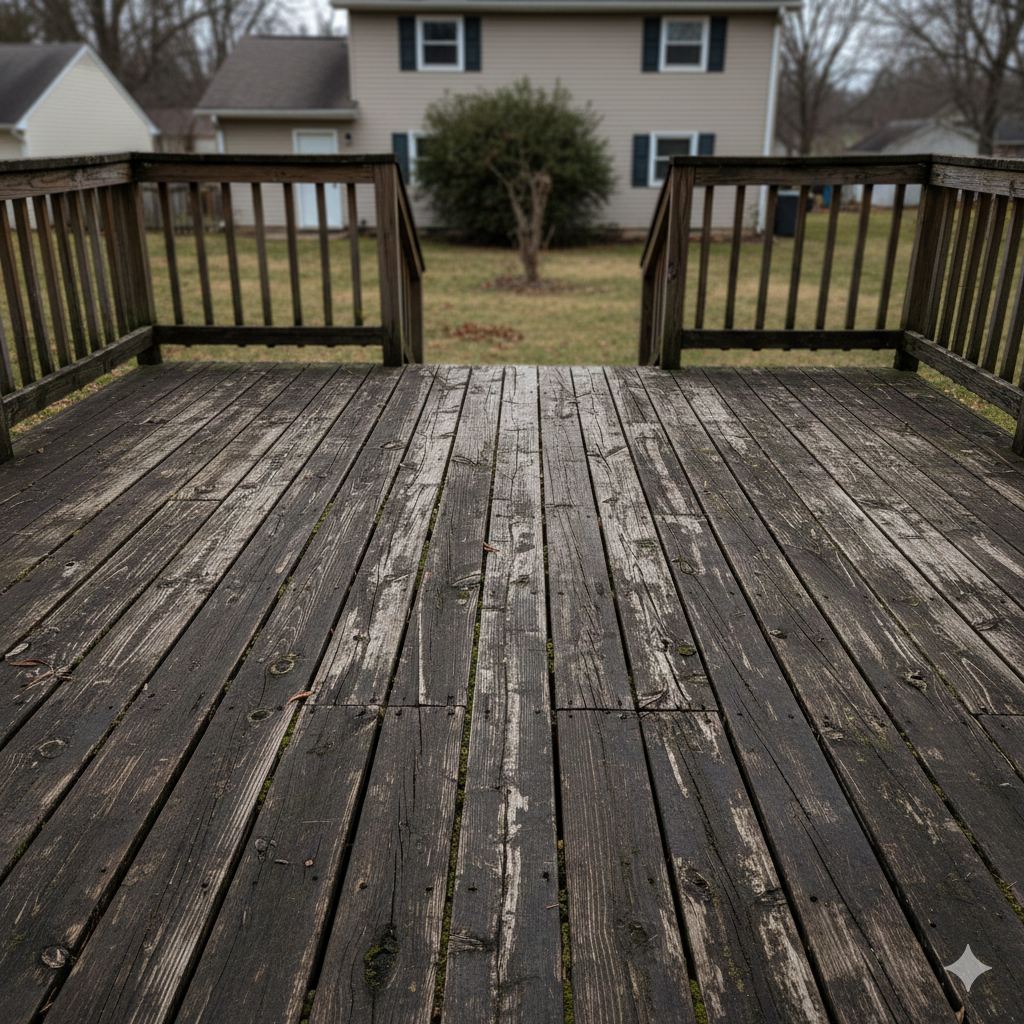
Building a deck is a major investment. In Kentucky, most professionally built decks range from moderate to premium pricing depending on materials and design. However, many homeowners struggle to determine whether a quote reflects fair market value or inflated pricing.
This guide explains how to recognize overcharging and what separates a legitimate premium price from an unreasonable one.
A professional deck estimate should include detailed line items such as:
If a contractor provides only a single lump sum without explanation, it becomes difficult to evaluate whether pricing is fair.
A transparent estimate signals professionalism.
In Central Kentucky, average installed deck pricing typically falls within these ranges:
If a basic 400 sq. ft. composite deck is quoted at $45,000 with no high-end features, that may warrant closer review.
On the other hand, extremely low bids can also signal problems such as:
The goal is not the lowest price — it is fair market value.
An estimate should clearly identify:
If the quote says “composite decking” without specifying the product line, pricing can vary significantly without your knowledge.
Be cautious if you hear:
Reputable deck builders allow homeowners time to review proposals and compare options.
Some contractors underbid initially and then increase costs mid-project through change orders.
To avoid this:
A detailed contract protects both parties.
If a contractor never mentions permits, inspections, or local code requirements, this may indicate:
Decks attached to a home usually require permits in Kentucky. Ignoring this can create legal and financial complications.
Professional contractors have overhead expenses including:
A fair contractor profit margin typically ranges between 15% and 30% depending on project complexity. Excessively inflated pricing without added value may indicate overcharging.
To ensure fair pricing:
The most expensive quote is not always overpriced — and the cheapest quote is not always a bargain.
Understanding deck pricing requires more than comparing total numbers. It requires evaluating materials, scope, design complexity, and contractor credibility.
A fair deck price reflects:
If a quote lacks transparency or seems disconnected from market standards, it deserves careful review.





Hi, this is a comment.
To get started with moderating, editing, and deleting comments, please visit the Comments screen in the dashboard.
Commenter avatars come from Gravatar.